Daisy: A Charming Addition to Your Craft Fair Lineup
First Impressions of Daisy
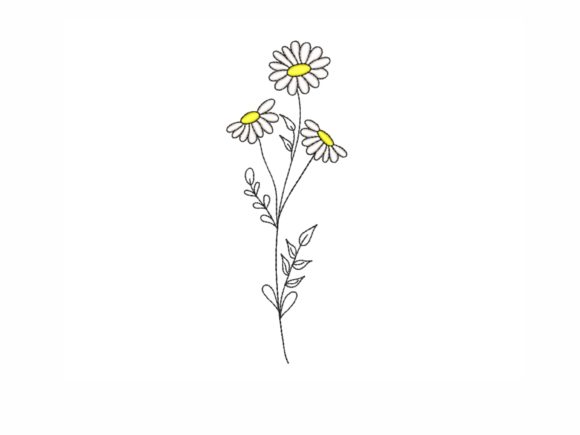
When I first saw the Daisy embroidery design, it immediately struck me as a charming and elegant choice. The simplicity and clean lines of the daisy give it a modern yet timeless appeal, making it a versatile addition to any craft fair or handmade product line.
Tote Bags and Aprons
The Daisy design works beautifully on tote bags and aprons. Its size and simplicity make it a perfect focal point, adding a touch of elegance without overwhelming the fabric. For tote bags, consider placing the daisy in the center or at the bottom corner for a subtle yet noticeable accent. On aprons, the daisy can be embroidered near the chest or along the hem, enhancing the overall aesthetic.
Kitchen Towels and Patches
For kitchen towels, the Daisy design adds a chic and pretty touch, ideal for customers who love a touch of nature in their home. The design is also well-suited for embroidered patches, which can be used on jackets, backpacks, or even as standalone gift items. The daisy's clean lines and simple shape make it easy to recognize and appreciate, even from a distance.
Caps and Fabric Pouches
Embroidering the Daisy on caps requires careful consideration of the curved surface, but with the right stabilizer and hoop size, it can be a standout feature. The daisy's simplicity makes it a great choice for both structured and unstructured caps. For fabric pouches, the daisy can be a small, elegant accent or a larger, more prominent design, depending on the size and purpose of the pouch.
Pillow Covers and Market Bags
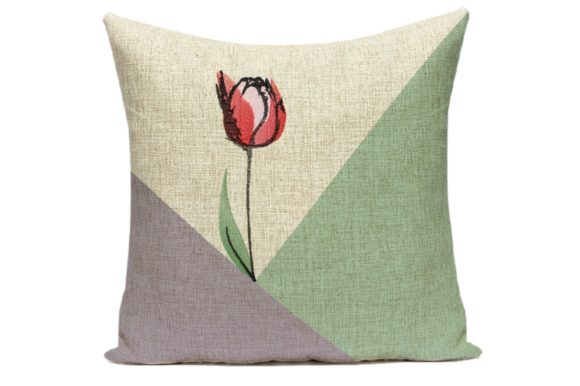
The Daisy design is a natural fit for pillow covers, adding a soft and decorative element to any living space. Whether used as a single, large daisy or repeated in a pattern, the design enhances the visual appeal of the pillow. For market bags, the daisy can be embroidered on the front or back, creating a stylish and functional accessory that customers will love.
Visibility and Attractiveness
The Daisy design is easily recognizable and visually appealing, making it a strong choice for attracting customer attention. Its simplicity means it can be understood at a glance, whether displayed on a table or in an online listing. The design works well as both a small accent and a large focal point, allowing for flexibility in product design.
Photography and Online Listings
When photographing products with the Daisy design, the clean lines and bold simplicity make it easy to capture its beauty. Use a neutral background to highlight the daisy, and consider different angles to showcase its versatility. For Etsy sellers and other online platforms, high-quality images of the daisy on various products will help potential buyers envision how it can be used in their own homes or as gifts.
Batch Production and Consistency
The Daisy design is ideal for batch production due to its straightforward nature. It can be repeated consistently across multiple items, ensuring that each finished product maintains the same high quality and visual appeal. This consistency is crucial for building a strong brand and maintaining customer trust.
Dense Stitch Areas and Tiny Details
When embroidering the Daisy, pay close attention to dense stitch areas, especially around the petals and center. These areas can benefit from using a suitable stabilizer to prevent puckering. Additionally, if the design includes tiny details, ensure that the thread colors and stitch density are appropriate for the fabric type and size of the design.
Fabric Texture and Dark Fabrics
Test the Daisy design on scrap fabric to see how it interacts with different textures. For example, on textured towels, the design may require a heavier stabilizer to maintain its shape. When embroidering on dark fabrics, choose thread colors with good contrast to ensure the daisy stands out clearly.
Curved Surfaces and Small Sizes
Embroidering the Daisy on curved surfaces, such as caps, requires careful placement and the use of a specialized stabilizer. For smaller sizes, check that the design retains its clarity and detail. If necessary, adjust the stitch density and spacing to ensure the daisy looks crisp and well-defined.
Thread Colors and Stabilizers
Select thread colors that complement the fabric and enhance the daisy's natural beauty. Experiment with different color combinations to find the one that best suits your product line. Use the right stabilizer to support the fabric and maintain the design's integrity, especially on thinner or more delicate materials.
Mockups and Real Samples
Create at least one real mockup of the Daisy design on each product you plan to sell. This will help you evaluate the design's performance and make any necessary adjustments before going into full production. Display these samples prominently at your craft fair booth to attract and engage potential buyers.
Commercial Licensing and Final Touches
Before selling finished products featuring the Daisy design, confirm that you have the appropriate commercial licensing. This ensures that you are legally permitted to use the design for commercial purposes. Add final touches, such as tags or labels, to your products to enhance their professional appearance and reinforce your brand identity.
Conclusion
The Daisy embroidery design is a versatile and attractive choice for a wide range of craft fair and handmade products. Its simplicity and charm make it a standout feature, whether used as a small accent or a large focal point. By carefully considering the design's performance on different products, paying attention to practical production details, and creating high-quality mockups, you can effectively showcase the daisy's beauty and appeal to your customers. Happy embroidering!